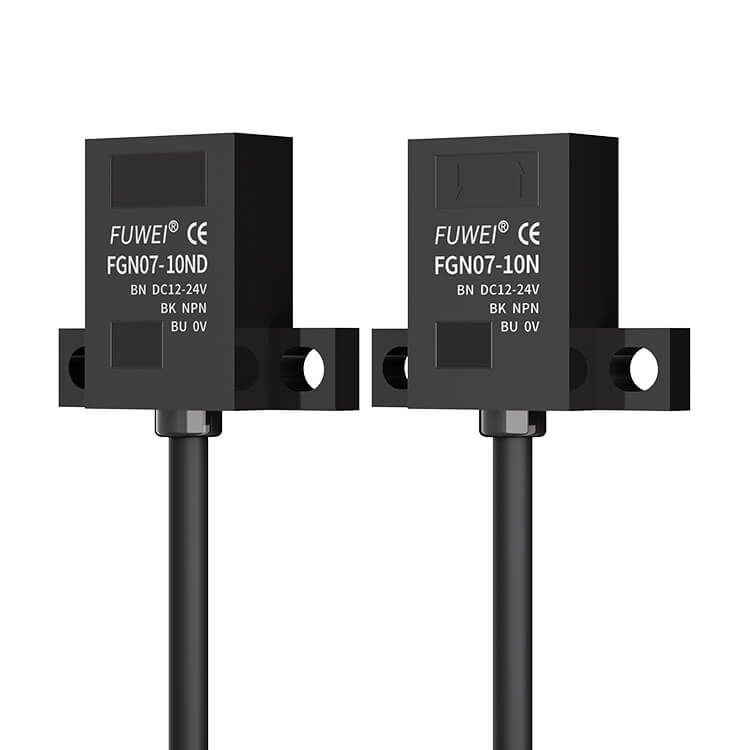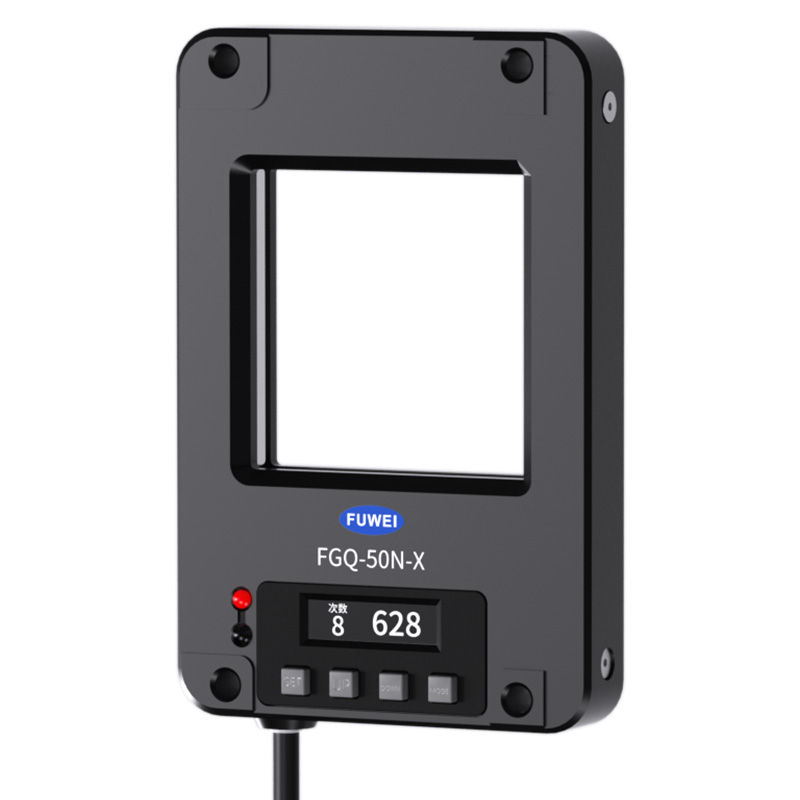
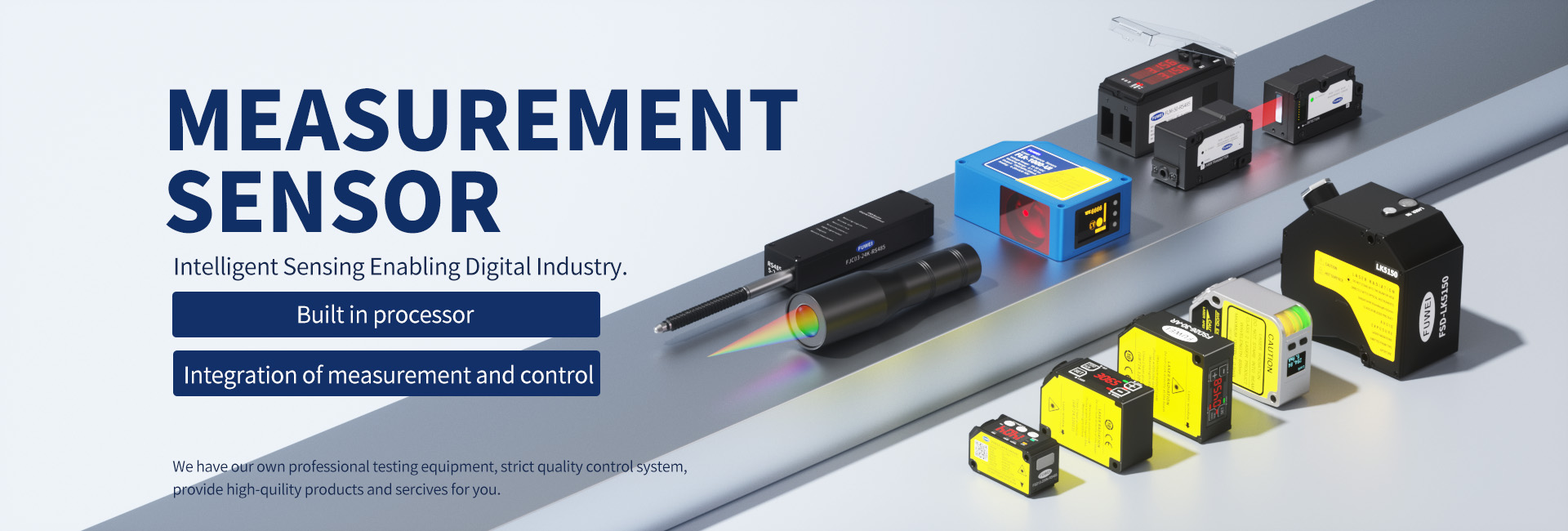
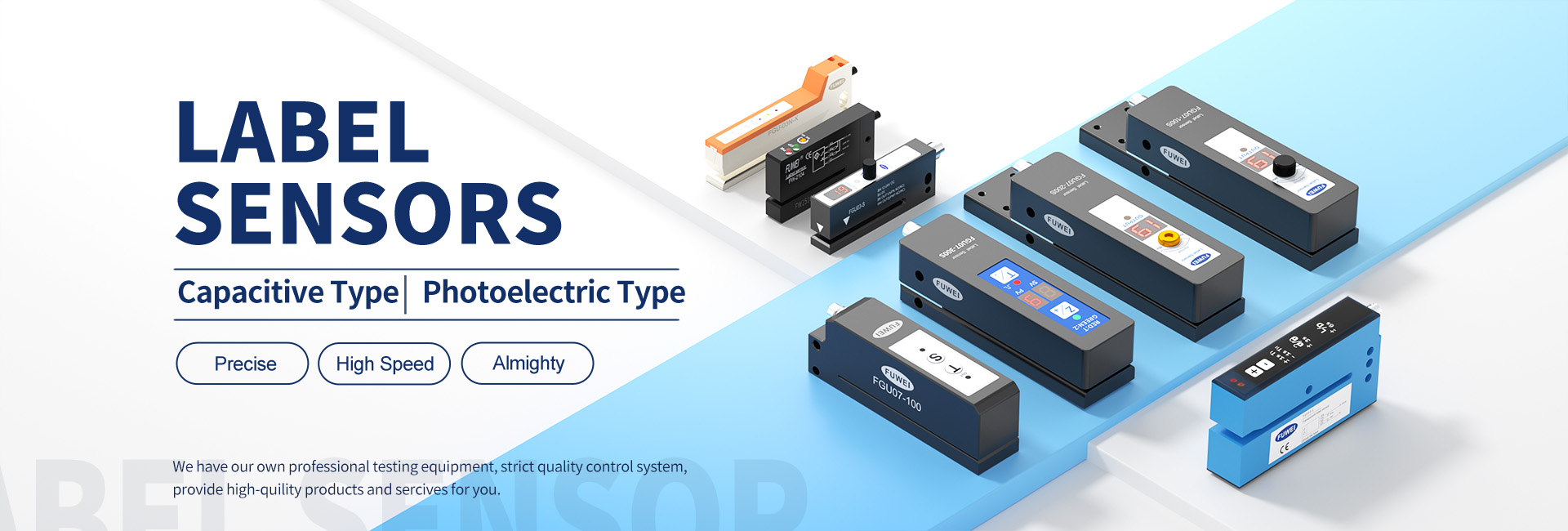
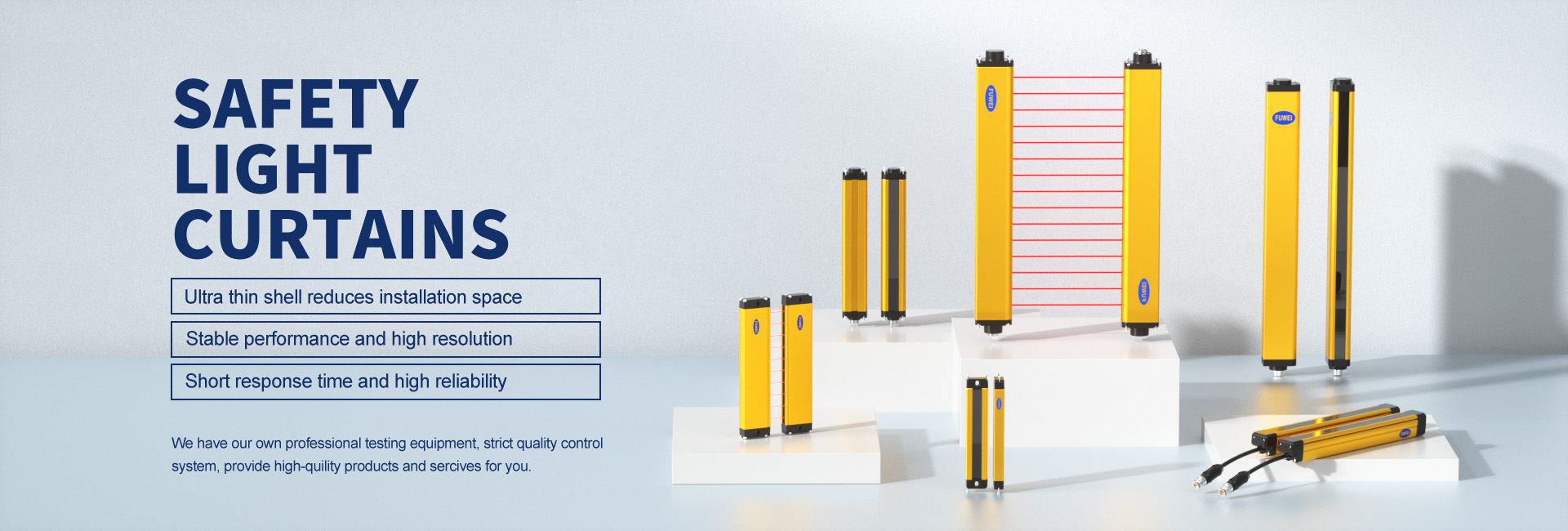
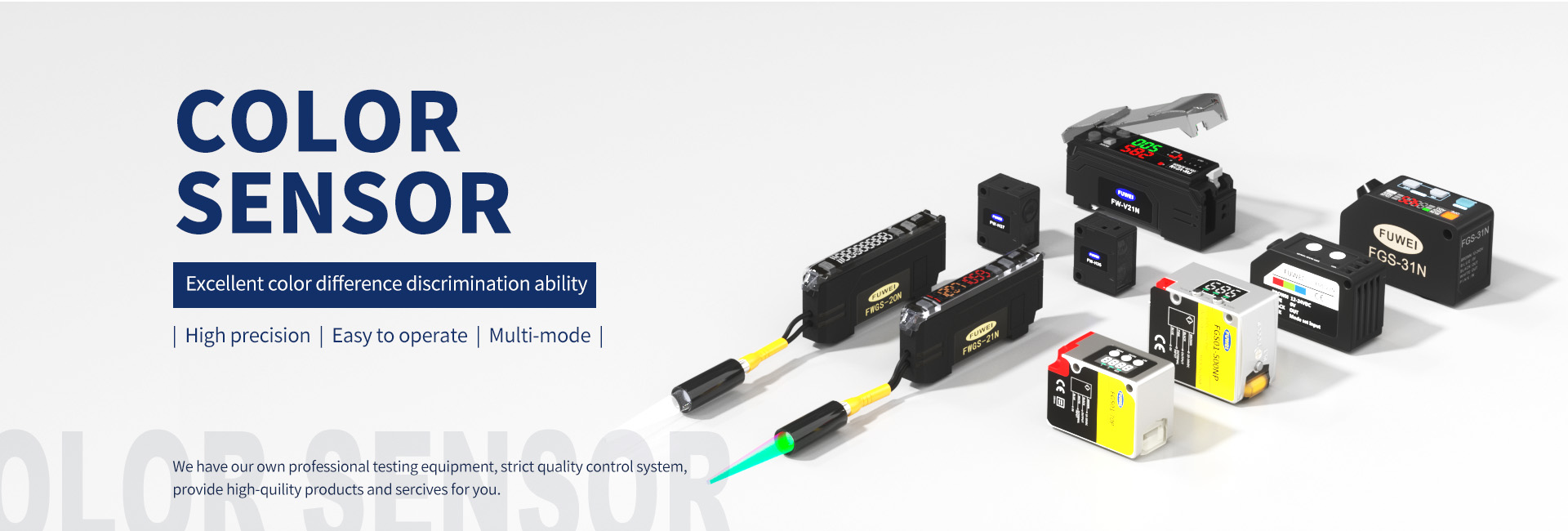
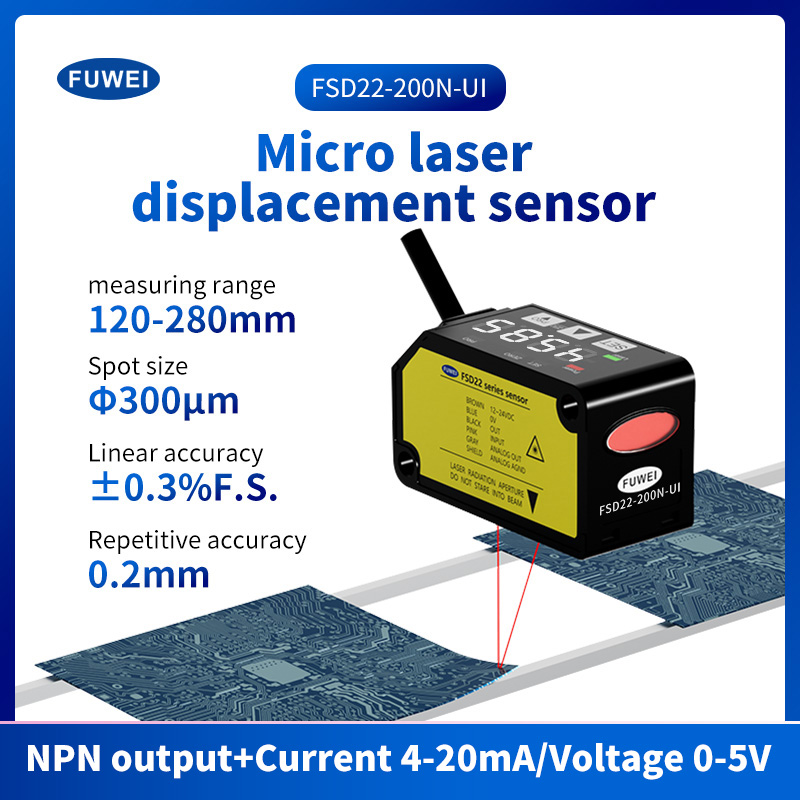
FuWei stands at the forefront as a premier manufacturer and supplier based in China, focusing on crafting an array of advanced products including laser displacement sensors, tag sensors, safety light curtains, and more.
High-Precision Laser Displacement Measurement Diameter Correction Width Gap Sensor FLM-50-RS485
FKG24-13NP-S low level detection Capacitor tube level sensor
Laser Displacement Range Sensor Pnp Output
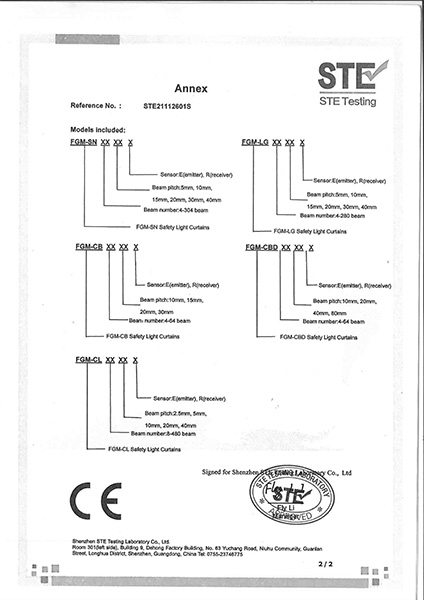
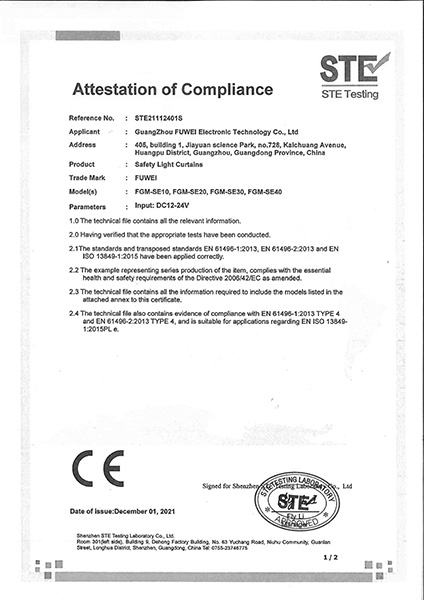
Safety Light Curtain FGM-SN1820-L1NC-5
Laser Displacement Sensor FSD13 Series
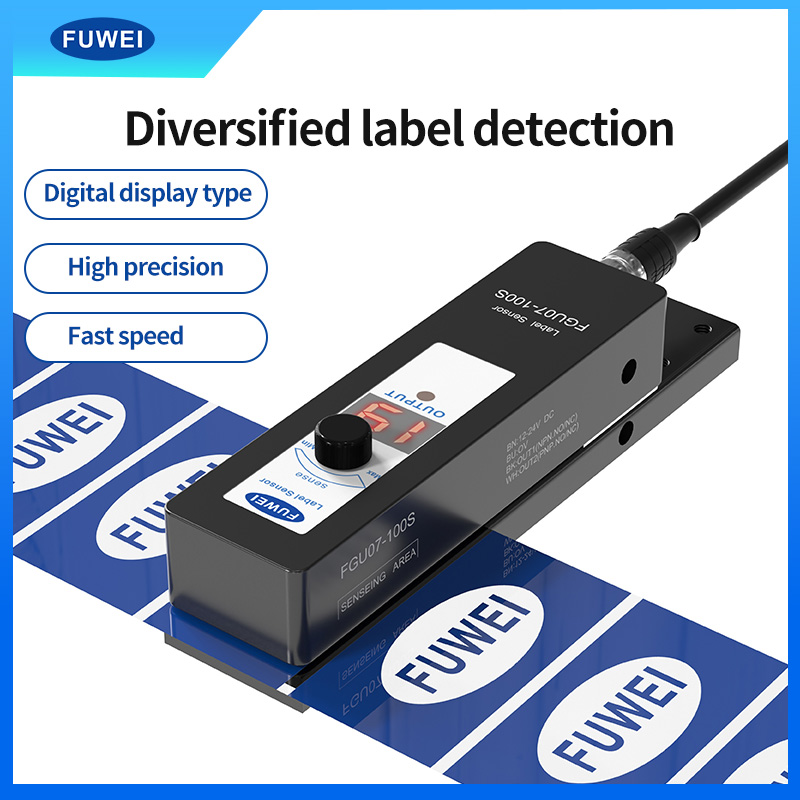
FGU07-100S High Speed Transparent Label Sensor
A Flat Photoelectric Sensor is a compact optical sensing device widely used in industrial automation for detecting the presence, absence, or position of objects without physical contact. Compared with traditional bulky sensors, the flat design offers improved installation flexibility, space efficiency, and better integration into modern production lines. This article explains how a flat photoelectric sensor works, its core structure, advantages, real-world applications, and how to select and maintain it effectively. It also highlights practical insights from industrial implementation experiences provided by Fuwei, a manufacturer specializing in automation sensing solutions.
Photoelectric sensors have become a critical component in modern industrial automation, offering precise detection and control capabilities for a variety of manufacturing and processing environments. This article explores the working principles, types, applications, benefits, troubleshooting tips, and selection criteria of photoelectric sensors, helping businesses like Fuwei maximize efficiency and reduce errors.
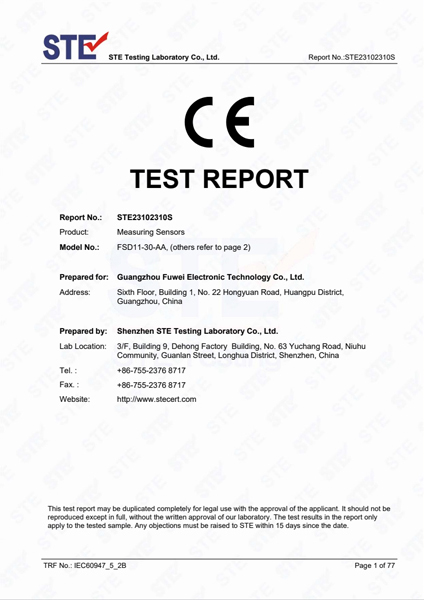
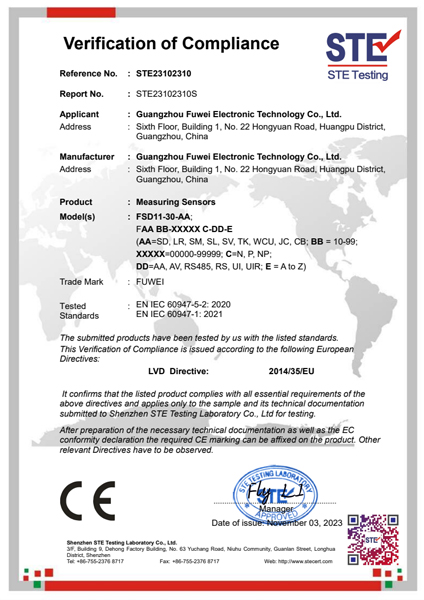
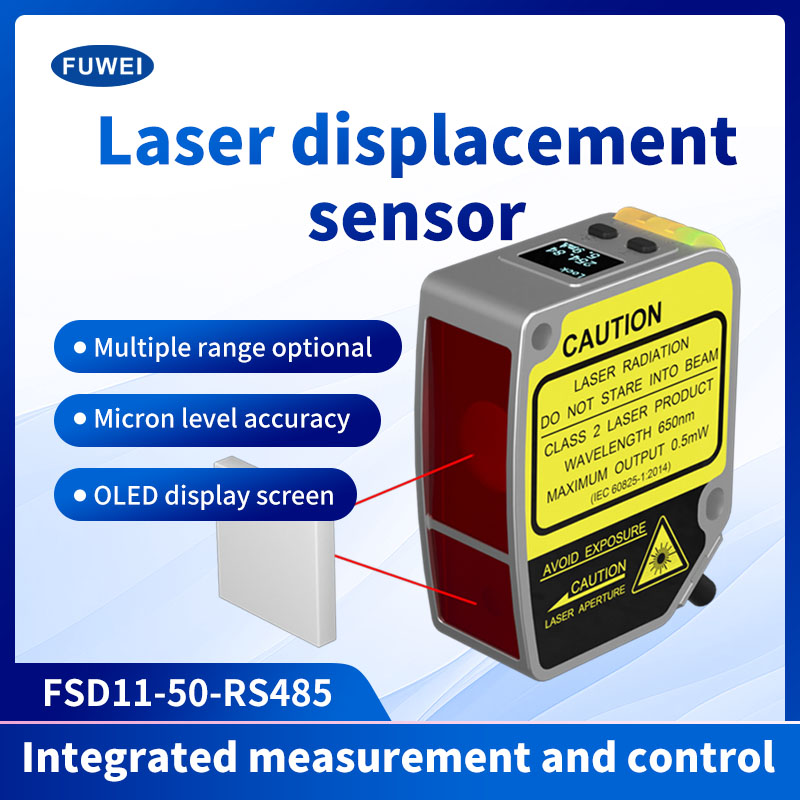
In the field of precision control in modern industrial production, every subtle measurement and positioning is directly related to the quality and production efficiency of the product. The Fuwei FSD11 series laser ranging sensor, optimized with a unique algorithm, can achieve stable and reliable detection of small objects. Whether it is monitoring the height of PCB board stacking or detecting the presence or absence of bottle cap gaskets, it can ensure the accuracy of measurement data. This high-precision detection capability provides a solid guarantee for quality control on the production line. Measurement range 25-110mm, multiple ranges to choose from
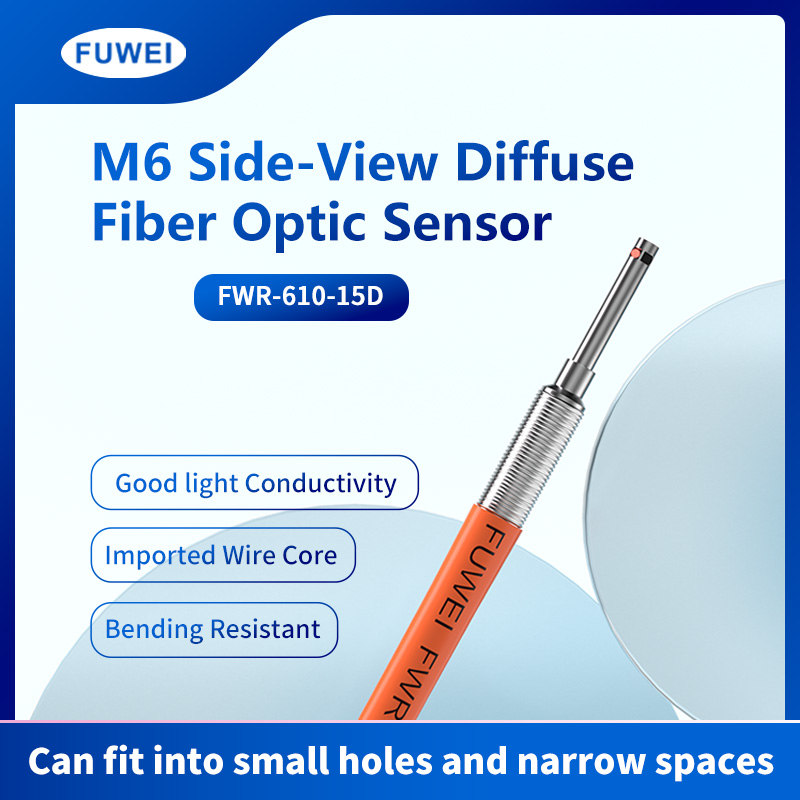
Imported wire core, good light conductivity, bending resistance/high-quality metal material, surface nickel plating process anti-oxidation, wear-resistant, rust proof, sturdy and durable/good toughness, bending resistance/high-quality fiber optic transmission loss is lower High transparency and good light guiding performance Imported wire core, stable signal transmission/oil and chemical resistance, with fluorocarbon polymer coating to prevent liquid from entering
Fiber optic sensors are revolutionizing the field of industrial monitoring by providing high-precision, reliable, and real-time measurements in harsh environments. These sensors offer unparalleled sensitivity, immunity to electromagnetic interference, and flexibility in deployment across multiple applications. This guide explores the working principles of fiber optic sensors, their main types, selection criteria, and the practical benefits they bring to manufacturing, infrastructure, and research applications.
Fiber optic sensors represent a cutting-edge solution in modern industrial monitoring, offering high sensitivity, durability, and resistance to electromagnetic interference. This article presents an in-depth exploration of fiber optic sensor technology, its applications across multiple industries, technical specifications, and practical installation guidance. Additionally, it addresses common customer concerns to help decision-makers select and integrate sensors effectively.
Mini Photoelectric Sensors play a critical role in modern industrial automation, providing precise detection for a wide range of applications. This article explores the types, applications, specifications, and common questions surrounding Mini Photoelectric Sensors, offering a complete guide for engineers, technicians, and procurement specialists.
Focusing on precision positioning, displacement measurement, and area safety solutions, Fuwei provides advanced intelligent sensing technology for industries such as 3C electronics, new energy, semiconductor manufacturing, medical electronics, and service robotics.
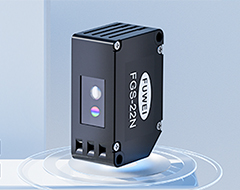
The FGS-22 color sensor by Fuwei Electronics is a smart dual-mode sensor that integrates high-precision color discrimination with high-speed color mark detection. It supports one-touch switching between Color Mode and Color Mark Mode, solving the industry challenge of balancing accuracy and speed. Equipped with a detection range of 18–28 mm and a unique rectangular light spot measuring 1.5 mm x 7 mm, it is suitable for complex installation environments and high-speed production lines. This reliable color sensor is designed for industrial automation applications such as sorting, positioning, and quality inspection, making it an ideal choice for improving efficiency and product quality.
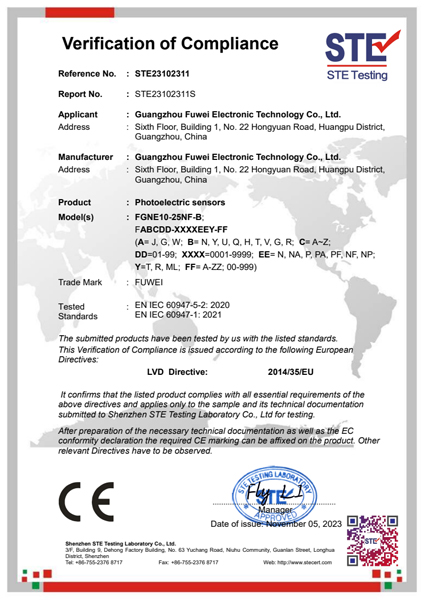
The FGNE10 series rectangular background suppression photoelectric sensor is specifically designed for complex industrial scenarios. It effectively counteracts high-brightness background interference to achieve precise detection, and is equipped with a multi-turn potentiometer for fine adjustment of the detection distance. The bright red light spot facilitates quick alignment. This photoelectric sensor also features multiple electrical protections and an IP67 high protection rating, offering waterproof and dustproof capabilities to withstand harsh working conditions. If you are looking for a reliable industrial photoelectric sensor with adjustable distance and strong anti-interference performance, the FGNE10 series is your ideal solution. Learn more now.
The technological trajectory demonstrated by Fuwei Electronics' FLM-50-RS485 product indicates that CCD wire diameter measurement sensors are evolving from standalone measurement tools into intelligent nodes that integrate measurement, analysis, and control. When dimensional data for every product on the production line is captured, analyzed, and fed back in real time, manufacturing achieves a profound shift from “experience-driven” to “data-driven” operations.