


QR Code

About Us
Products
Contact Us

Phone

E-mail

Address
No. 22, Hongyuan Road, Guangzhou, Guangdong Province, China

Fiber optic sensors represent a cutting-edge solution in modern industrial monitoring, offering high sensitivity, durability, and resistance to electromagnetic interference. This article presents an in-depth exploration of fiber optic sensor technology, its applications across multiple industries, technical specifications, and practical installation guidance. Additionally, it addresses common customer concerns to help decision-makers select and integrate sensors effectively.

Fiber optic sensors convert physical, chemical, or environmental changes into optical signals for precise monitoring. Their small size, immunity to electromagnetic interference, and high temperature resistance make them highly suitable for industrial automation, safety monitoring, and remote sensing.
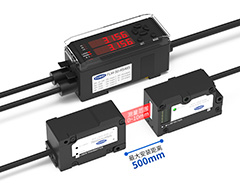
Fuwei’s fiber optic sensor range offers diverse options for strain, temperature, pressure, and chemical detection, providing robust performance under harsh conditions. The sensors are designed to ensure rapid response times, high measurement accuracy, and integration flexibility with existing monitoring systems.
Fiber optic sensors operate by transmitting light through an optical fiber. Changes in environmental conditions affect light properties such as intensity, phase, polarization, or wavelength. These variations are then captured and converted into measurable signals for precise monitoring.
Different designs, such as extrinsic Fabry-Pérot, intrinsic interferometric, or Bragg grating-based sensors, offer customized solutions for diverse industrial applications.
Understanding technical parameters is essential for selecting the right fiber optic sensor for an industrial system. Below is a structured overview of typical specifications.
| Parameter | Specification |
|---|---|
| Measurement Type | Temperature, Pressure, Strain, Chemical Detection |
| Operating Temperature | -40°C to 300°C |
| Fiber Type | Single-mode, Multi-mode |
| Response Time | Milliseconds to Seconds |
| Wavelength Range | 850 nm – 1550 nm |
| Measurement Accuracy | ±0.1% of Full Scale |
| Housing Material | Stainless Steel, Aluminum Alloy, Protective Polymer |
Fiber optic sensors are widely adopted across multiple industries due to their precision, reliability, and immunity to harsh environmental conditions. Key application areas include:
The primary benefits include long-term reliability, minimal signal degradation, compact size, and compatibility with remote monitoring systems, ensuring safety and operational efficiency.
For optimal performance, installation of fiber optic sensors must follow systematic steps, including:
Proper installation ensures durability, accurate measurements, and reduced maintenance costs, extending the sensor’s service life in industrial environments.
Q: What makes fiber optic sensors superior to traditional electrical sensors?
A: Fiber optic sensors are immune to electromagnetic interference, resistant to harsh environments, and capable of remote monitoring over long distances, providing more reliable data than conventional sensors.
Q: Can fiber optic sensors be used in explosive or high-voltage areas?
A: Yes. Their non-electrical sensing mechanism allows safe deployment in hazardous environments, reducing fire or electric shock risks.
Q: How often should fiber optic sensors be maintained or calibrated?
A: Maintenance intervals depend on environmental conditions and application. Typically, visual inspection and signal verification every 6–12 months ensure continued accuracy.
Fiber optic sensors provide a reliable, high-precision solution for modern industrial monitoring, offering resilience against interference and environmental challenges. Their applications span automation, energy, chemical, infrastructure, and transportation sectors, making them essential for advanced monitoring systems.
Fuwei continues to deliver high-quality fiber optic sensors tailored to industrial requirements. For consultation, product specifications, or project inquiries, please contact us through our official channels to explore customized solutions for your industrial monitoring needs.
No. 22, Hongyuan Road, Guangzhou, Guangdong Province, China